

 Virtual Showroom


How to Store and Dry Your Wood
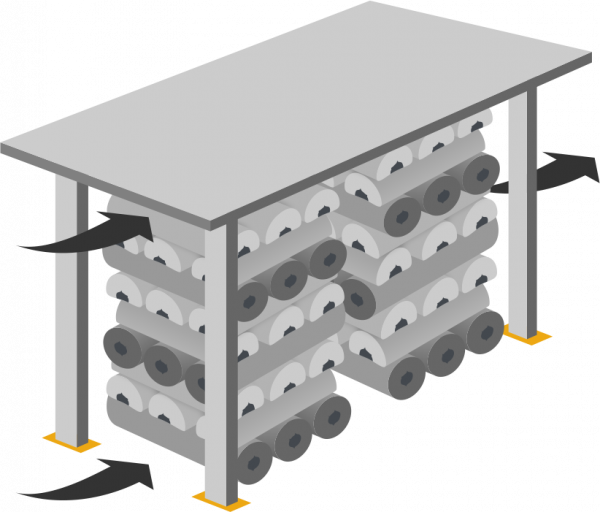
Storing wood in a criss-cross pattern allows free air flow.
Stack your wood loosely off the ground in a criss-cross fashion to allow the air to circulate freely.
Store it under a roof to keep it dry. It is better to keep wood at least eight months to a year before use so that it’s properly seasoned
Always Burn Dry Wood
Always burn dry wood that has been seasoned for at least one year and has a moisture content of 20% or less.
Unseasoned (wet) wood contains a great deal of moisture, which reduces the burning temperature of the fire and causes additional smoke and pollutants.
Excessive moisture in your firewood can result in oxidation (rusting) of metal components in the structure of your fireplace and potential damage to insulation and the vermiculite.
When the flue on your closed combustion fireplace is not hot enough, especially when you burn unseasoned/wet wood, a dark, sticky substance known as creosote forms onto the walls of the flue.
Creosote is flammable. Over time, it accumulates in the flue pipes, which can restrict the flow of smoke and lead to chimney flue fires if the creosote catches alight.
Choose the Right Type of Wood
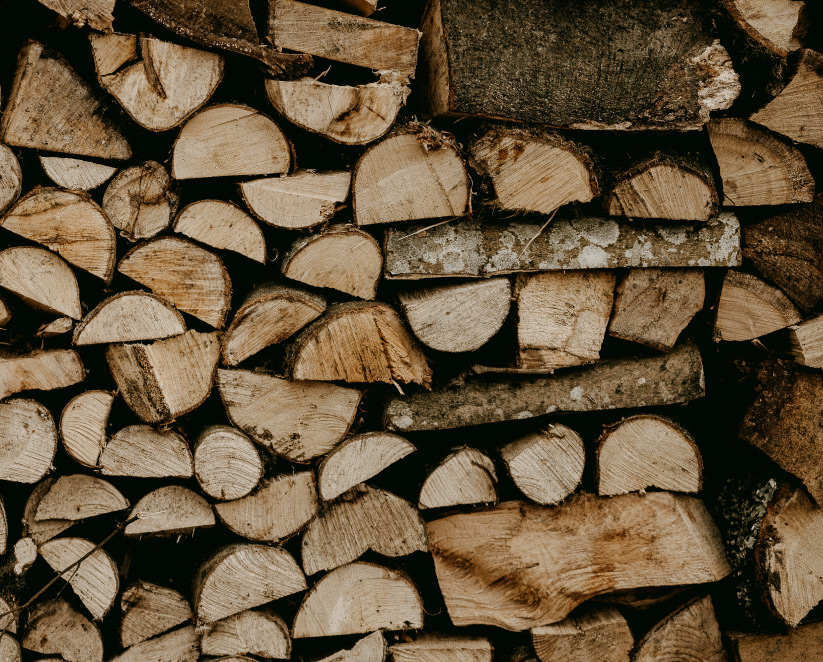
Hardwoods are preferable to softwoods, because softwoods tend to contain more resins, which create smoky odours and deposits in your flue system.
Softwoods are also less dense, with a lower calorific value per volume.
What You Should Never Burn
Never burn treated wood. In some instances, copper chrome-arsenate (CCA) treatment can release poisonous fumes.
Wood collected from the seashore is not suitable because it contains corrosive salts.
Don’t burn garbage, painted timber or particle board, these all release pollutants.

How to Tell When Firewood is Seasoned
If you heat your home with wood, you probably spend a lot of time preparing for winter. It’s a year-round task because firewood requires anywhere from six months to two years to dry out.
Late winter and early spring are ideal times to cut and store wood for the following year. It allows wood to dry over the summer months, seasoning in time for colder weather.
However, if you’re new to burning wood as a heat source for your home, you may not have planned so far in advance. Whether you’re forced to purchase wood from someone else or are planning to cut your own for future use, it’s important to properly season wood before burning it.
Burning green wood can be dangerous. It creates a lot of smoke and may cause a dangerous creosote buildup over time. Learn to tell when wood is seasoned. It will help you properly heat your home and keep you safe.
How to Check If Your Wood Is Dry
Step 1, The Sound Test
Check that the wood you are buying is dry and well-seasoned by striking two pieces together. Dry wood gives a resonant ‘clack’, while unseasoned wood makes a dull ‘clunk’-like sound.
Step 2, Use a Moisture Meter
Using a moisture meter to test the moisture content of wood is the most accurate way. Moisture meters can be obtained from us.
The Ideal Moisture Content
- 20% or less. Use a moisture meter to check the freshly split inner surface of a log for a more reliable reading

Quick Check List

Colour
Color fades over time. Seasoned wood is less vibrant than green wood.

Shape
Splitting wood speeds up the drying process. If you need wood to burn in the near future, you better your odds by purchasing wood that’s been split. Split wood will also dry out faster than logs in a stack.
Logs and unspilt firewood pieces that are touching the ground or near the center of the firewood pile will dry out very little.

Weight
As wood dries, it loses its moisture content and becomes lighter. Softwoods have a very high moisture content when they are green, so the weight difference will be more noticeable than hardwood varieties.

Hardness
Drying wood becomes harder, making it more difficult to split or dent.
Dry wood is more compressed and stronger than green wood.

Bark
The bark on dry wood is loose. You may notice bare spots on dry logs. Any existing bark can be removed easily.

Cracking
You may notice cracks on dry pieces of wood, extending from the center of the log and reaching out towards the edges. However, you don’t want to use this as your only determining factor. Some dry logs may not crack and some cracked logs may still be too green to burn

Smell
Green wood has a stronger aroma. The smell will depend on the type of tree.
As the wood dries, the sappy scent will fade to a light woody smell.

Split Test
Aside from being hard to split, dry pieces of wood will be dry on the inside.
You can check the moisture level of a piece of wood by splitting it open to see if it feels dry to the touch.

Flammability
You can also test moisture level by burning test pieces of wood outside.
Green wood will be hard to light. It will smolder and create a lot of smoke, alerting you before burning it in your house.


 Visit our Virtual Showroom